

Original article: Honduras: Preocupación por sistema de transmisión de resultados tras fallas en simulacro a solo 20 días de la elección presidencial
With only twenty days remaining until the presidential election in Honduras scheduled for November 30, there is rising concern in the country due to failures noted during a mock drill of the preliminary results transmission system (TREP).
The test was conducted by the National Electoral Council (CNE), and the results were deemed «alarming» by the ruling Libre Party: of the 4,362 poll documents expected, only 1,556 were successfully transmitted, while merely 317 out of 1,340 biometric devices functioned properly.
Marlon Ochoa, a council member representing the Libre Party at the CNE, warned that the exercise was a technical failure and suggested that the issues were not accidental but part of a potential internal sabotage attempt against the electoral process.
The leader pointed out that leaked audio involving advisor Cossette López, military officials, and members of the conservative National Party suggests an alleged conspiracy to undermine the elections on November 30.
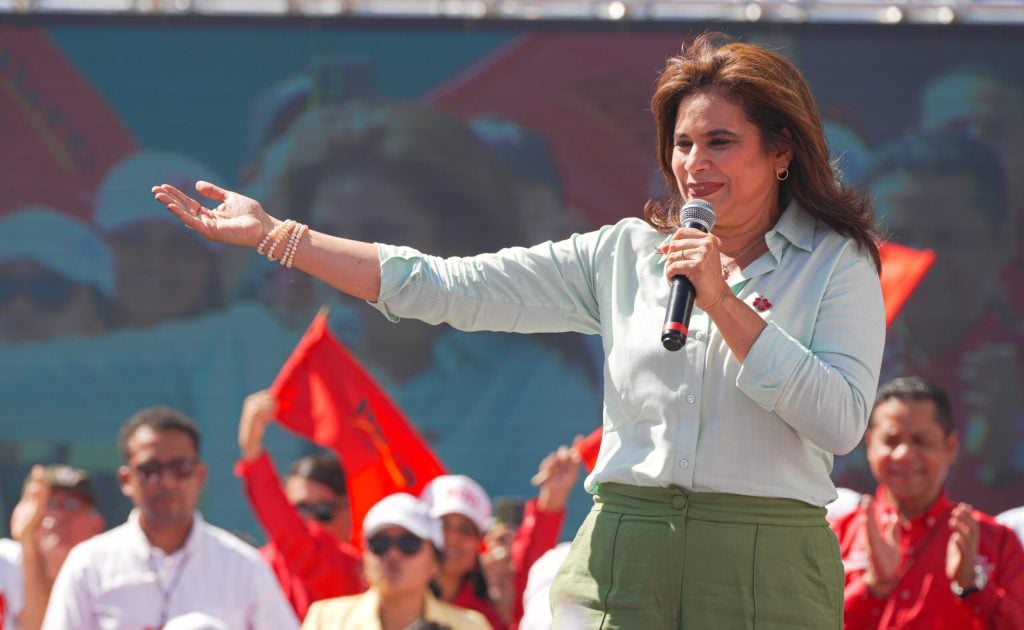
“Libre reiterates that the Honduran people will not allow another fraud like in 2013 and 2017, and that electoral transparency is a non-negotiable condition for democracy,” stated leaders from the Libre Party, whose candidate, Rixi Moncada, is in a close contest against candidates from the Liberal Party (center), Salvador Nasralla, and the National Party, Nasry Asfura.
Presidential Election Without Runoff
About 6.3 million citizens are called to vote in the upcoming elections in Honduras. The contested positions include: Presidency of the Executive Power, 128 congressional deputies, 20 deputies for the Central American Parliament (Parlacen), 298 mayors, and 2,168 council members.
A notable aspect of the country’s electoral system is that the offices of the presidency and mayorships are elected by simple majority of valid votes: there is no runoff.
Meanwhile, members of the national and regional legislative powers are elected through a proportional representation system based on the number of votes received by each party at the presidential level.
Additionally, re-election is prohibited for the President, although deputies and mayors can seek new terms. The positions have a duration of 4 years.
El Ciudadano


